

How to Talk to Your Dentist About Clear Aligners in 2026: Questions to Ask and Red Flags to Watch For
Aligners have become one of the most popular orthodontic treatment options for teens and adults seeking a straighter smile without traditional metal braces. Thanks to advances in digital dentistry, treatment planning is more precise than ever. However, choosing the right provider remains one of the most important decisions you will make. Knowing how to ask a dentist about clear aligners 2026 can help you understand your treatment options, avoid unnecessary surprises, and achieve the best possible results.
Whether you’re considering aligners for cosmetic improvements or bite correction, asking informed questions and recognizing potential warning signs will help you confidently begin your smile transformation.
Why the Initial Consultation Matters
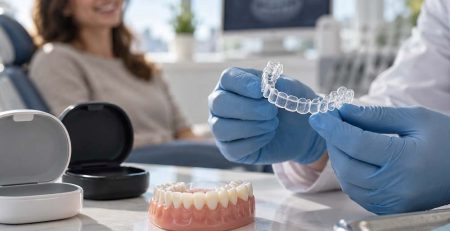
Your first consultation is much more than a discussion about straightening teeth. It allows your dentist to evaluate your oral health, determine whether clear aligners are appropriate for your case, and explain what treatment can realistically achieve.
When you ask a dentist about clear aligners 2026, expect a thorough examination rather than an immediate recommendation. Every patient’s bite, tooth movement, and overall dental health are different, making a personalized assessment essential.
A quality consultation should leave you with a clear understanding of your diagnosis, treatment plan, estimated timeline, and expected results.
Questions to Ask Before Starting Treatment
Preparing questions before your appointment helps ensure you receive complete information.
Some of the most important questions for dentists before clear aligners include:
- Am I a good candidate for clear aligners?
- What dental issues can aligners correct in my case?
- How long is my treatment expected to take?
- How many aligners will I likely need?
- Will attachments or enamel reshaping be required?
- What happens if my teeth do not move as planned?
- How often will follow-up appointments be scheduled?
- What are the total treatment costs?
- Are retainers included after treatment?
These questions for a dentist before clear aligners help establish realistic expectations while allowing you to compare providers if needed.
Choosing the Right Provider
Not every dental professional offers the same level of experience with clear aligner therapy.
When deciding how to choose a clear aligner dentist in 2026, ask about the provider’s experience, continuing education, number of completed aligner cases, and the types of orthodontic issues they commonly treat.
A qualified provider should explain both the benefits and limitations of clear aligners rather than suggesting they are suitable for every patient.
If your case involves significant bite correction or complex tooth movement, your dentist may also recommend consultation with an orthodontic specialist.
Diagnostic Records Matter
Accurate diagnosis begins with comprehensive records.
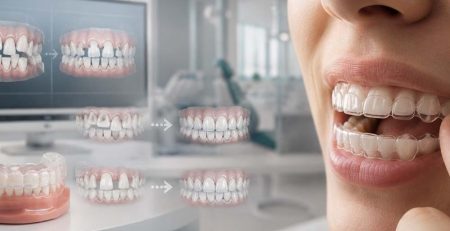
Before beginning treatment, providers should perform a complete oral examination along with appropriate diagnostic imaging. This may include digital X-rays, panoramic imaging, photographs, intraoral scans or impressions, and bite analysis.
These records allow your provider to evaluate tooth roots, jaw structure, bone levels, existing restorations, and overall oral health before creating a customized treatment plan.
When you find a clear aligner provider in 2026, ensure they perform thorough diagnostics instead of relying only on a visual examination.
Red Flags to Watch For
Although many dentists provide excellent aligner care, certain warning signs deserve attention.
Be cautious if a provider:
- Guarantees perfect results without examining your teeth.
- Recommends treatment without taking appropriate scans or X-rays.
- Minimizes potential risks or limitations.
- Cannot clearly explain your treatment plan.
- Pressures you to begin treatment immediately.
- Provides vague pricing or unclear payment terms.
- Avoids discussing retainers or long-term maintenance.
Knowing how to choose a clear aligner dentist in 2026 includes recognizing providers who prioritize careful diagnosis over quick sales.
Understanding the Treatment Process
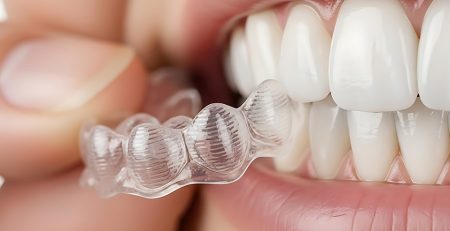
Clear aligner treatment typically involves wearing custom-made aligners for 20 to 22 hours each day while changing to new aligners according to your dentist’s instructions.
Regular follow-up appointments allow your provider to monitor tooth movement, evaluate progress, and make adjustments if necessary.
Compliance plays a major role in treatment success. Patients who wear aligners consistently generally achieve better results within the expected timeline.
Choosing to find a clear aligner provider in 2026 who emphasizes regular monitoring helps ensure treatment progresses safely and effectively.
Should You Get a Second Opinion?
For straightforward cases, many patients feel comfortable proceeding after one consultation.
However, if treatment plans differ significantly, costs vary substantially, or your case involves complex bite issues, seeking a second opinion can provide valuable reassurance.
A second consultation may confirm the original recommendation or identify alternative treatment options better suited to your needs.
Obtaining additional professional advice often helps patients make more confident decisions before beginning orthodontic treatment.
Building a Successful Dentist-Patient Relationship
Successful aligner treatment depends on open communication.
Choose a provider who listens carefully, answers your questions thoroughly, explains every step of treatment, and encourages informed decision-making.
When patients confidently ask a dentist about clear aligners 2026, discuss their concerns openly, and follow treatment instructions carefully, they are more likely to achieve healthy, lasting results.
Conclusion
Clear aligners offer an effective and discreet solution for many orthodontic concerns, but success begins with selecting the right provider. By preparing thoughtful questions for a dentist before clear aligners, learning how to choose a clear aligner dentist 2026, and taking time to find a clear aligner provider 2026 who performs comprehensive evaluations, you can begin treatment with confidence.
Careful planning, proper diagnostics, and clear communication help ensure your aligner journey leads to a healthier bite, improved smile, and long-term oral health.
FAQ’s
Q1. What should I ask my dentist before starting clear aligner treatment?
A: Ask whether you are a suitable candidate, how long treatment will take, what results you can realistically expect, how many aligners you may need, whether attachments or enamel reshaping will be required, what follow-up appointments involve, the total cost, and whether retainers are included after treatment.
Q2. How do I know if my dentist is qualified to provide clear aligners?
A: Ask about their experience with clear aligner treatment, continuing education, the number of completed cases, and whether they regularly treat cases similar to yours. A qualified provider should perform a comprehensive examination and clearly explain your treatment plan.
Q3. What imaging or scans should a dentist do before clear aligner treatment?
A: Most providers should perform a complete oral examination along with digital X-rays, panoramic imaging when appropriate, intraoral digital scans or impressions, clinical photographs, and a bite assessment before creating your customized treatment plan.
Q4. Should I get a second opinion before starting Clear Aligner treatment?
A: A second opinion can be helpful if your case is complex, treatment recommendations differ, costs vary significantly, or you simply want additional reassurance before making a long-term investment in your oral health.







Leave a Reply