
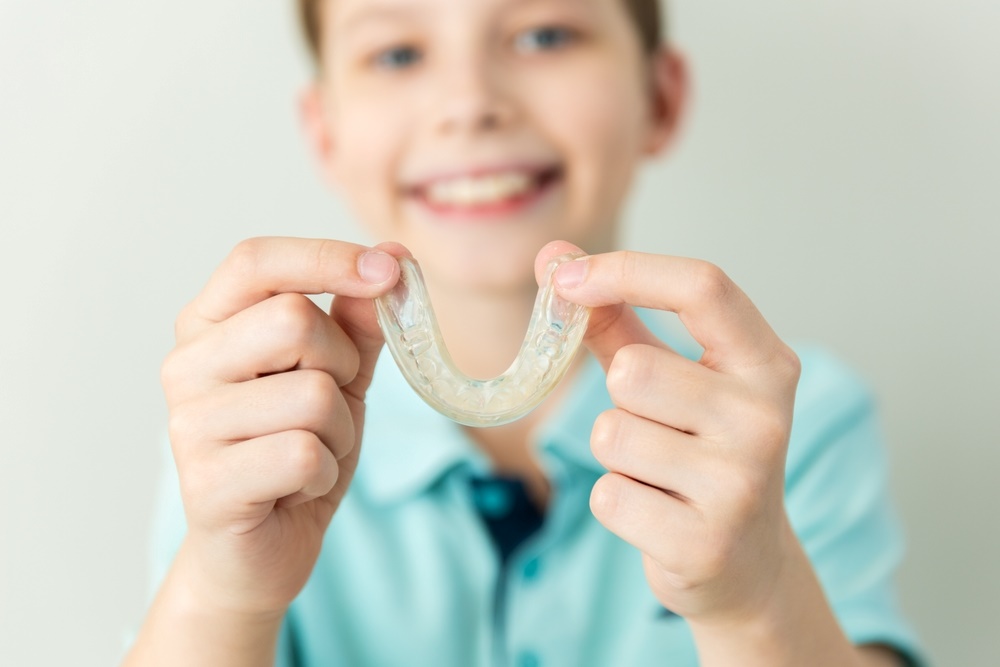
How to Maintain Your Clear Aligners for Optimal Results
Clear aligners have revolutionized modern orthodontics. They’re discreet, comfortable, and convenient — but achieving that perfect smile requires more than just wearing them. Proper maintenance is key to ensuring that your treatment stays on track and delivers the best possible outcome.
From daily cleaning routines to smart lifestyle habits, mastering clear aligner care can make a significant difference in both your oral health and treatment results. Whether you’re just starting your aligner journey or midway through, these expert-backed tips will help you protect your investment and your smile.
1. The Importance of Clear Aligner Care
Unlike traditional braces, clear aligners are removable and virtually invisible. That flexibility comes with responsibility. Each tray is custom-designed to gently move your teeth into alignment, but any damage, warping, or bacterial buildup can disrupt progress.
Consistent, clear aligner care ensures that:
- Your trays remain crystal clear and odor-free.
- They fit properly and maintain the correct shape.
- Your mouth stays healthy, minimizing irritation or infection risks.
Neglecting maintenance, on the other hand, can lead to discoloration and delayed treatment outcomes that no one wants after investing time and money into a beautiful smile.
2. Clean Aligners Daily — and Correctly
The foundation of aligner hygiene lies in daily cleaning. Food particles and bacteria can cling to the surface of trays, especially after meals. Proper teeth aligner cleaning helps prevent stains, bad breath, and bacterial growth.
The Right Way to Clean:
1. Rinse Immediately After Removal
Always rinse your aligners with lukewarm water when you take them out. This removes saliva and prevents buildup.
2. Brush Gently (But Don’t Use Toothpaste)
Use a soft toothbrush and a mild, clear soap. Avoid toothpaste — it can be abrasive and cause microscopic scratches that trap bacteria.
3. Soak Regularly
Once a day, soak your trays in a specialized cleaning solution or orthodontic crystals. These dissolve buildup and keep your aligners looking new.
4. Rinse Again Before Wearing
After soaking, rinse thoroughly to avoid any lingering residue that might irritate your gums.
Following these steps consistently will keep your aligners hygienic, transparent, and comfortable — key elements of effective invisible braces maintenance.
3. Avoid Hot Water at All Costs
Heat is one of the biggest enemies of clear aligners. Each tray is made from medical-grade thermoplastic, which can warp when exposed to high temperatures.
Temperature Rules to Remember:
- Never rinse aligners in hot water — always use lukewarm or cool water.
- Avoid leaving them in direct sunlight, like on a car dashboard or windowsill.
- Don’t sterilize them by boiling — this will ruin their shape instantly.
Once a tray warps, it no longer fits properly, and that can disrupt your treatment schedule. Keeping them cool and stable is one of the simplest yet most effective aligner treatment tips you can follow.
4. Mind What You Eat and Drink
One of the greatest benefits of clear aligners is the ability to remove them during meals. However, even with that flexibility, some rules help protect your aligners and teeth.
Golden Guidelines:
- Remove aligners when eating or drinking anything other than water. Coffee, tea, and sodas can stain and warp trays.
- Avoid sugary drinks — sugar trapped under aligners can feed bacteria and cause decay.
- Rinse or brush before reinserting to prevent food debris from getting trapped between your teeth and trays.
Even small lapses in these habits can affect your progress or cause unpleasant odors.
Wondering about that morning coffee? We’ll cover that in the FAQ section below.
5. Store Your Aligners Safely
Losing or damaging a tray can set back your treatment plan. Aligners are lightweight and easy to misplace, especially during meals or travel.
Smart Storage Habits:
- Always carry your aligner case — never wrap trays in napkins (they often end up in the trash).
- Keep an extra case in your bag, car, or workplace.
- Avoid leaving trays exposed in public spaces or bathrooms, where bacteria can accumulate.
Consistent storage isn’t just about organization; it’s an essential part of clear aligner care and helps prevent costly replacements or treatment delays.
6. Don’t Skip Your Cleaning Routine on the Go
Traveling or working long hours shouldn’t be an excuse to neglect your aligners. Portable cleaning kits are widely available and make teeth aligners cleaning easy wherever you are.
Include the following in your travel pack:
- A compact toothbrush
- Mild soap or cleaning tablets
- A small, ventilated aligner case
- A bottle of water for quick rinses
Remember — even while traveling, hygiene consistency keeps your aligners in top condition and your treatment on schedule.
7. Practice Proper Oral Hygiene
Clean aligners won’t help much if your teeth and gums aren’t healthy. Maintaining excellent oral hygiene ensures that your trays sit properly and your mouth stays fresh.
Daily Dental Routine:
- Brush your teeth after every meal before reinserting aligners.
- Floss daily to remove food particles between teeth.
- Rinse with an antibacterial mouthwash to prevent plaque buildup.
This combined approach to oral and invisible braces maintenance supports not only your aligners but your long-term dental health.
8. Change Trays on Schedule — and Track Progress
Your dentist or orthodontist will provide a detailed timeline for switching trays. Following that schedule precisely is vital. Wearing a tray for too long can slow progress, while switching too early can cause discomfort or improper movement.
To stay on track:
- Use reminders or phone apps designed for aligner treatment tips.
- Keep your previous set as a backup in case a current tray gets damaged or lost.
- Attend checkups as recommended — your provider may adjust timing based on progress.
Consistency ensures that every stage of your alignment happens exactly as planned, leading to the fastest and most efficient results possible.
9. Avoid Harmful Habits
Certain everyday habits can unintentionally damage your aligners:
- Chewing on your trays while wearing them.
- Using sharp tools or fingernails to remove them (use the provided removal tool instead).
- Smoking — nicotine stains and weakens the aligner material.
By steering clear of these pitfalls, you maintain both the functionality and the look of your aligners throughout your treatment.
10. Visit Your Dentist Regularly
Even the best clear aligner care routine benefits from professional supervision. Regular check-ins with your dentist or orthodontist allow for adjustments, cleaning recommendations, and early identification of any fit issues.
Professional oversight ensures your aligner journey remains smooth and your smile transforms exactly as intended.
Conclusion
Achieving a perfect smile with clear aligners is as much about discipline as it is about design. With the right approach to clear aligner care, you can protect your investment, maintain oral hygiene, and achieve faster, more comfortable results. From daily teeth aligner cleaning to smart lifestyle adjustments and consistent dental visits, every small step contributes to a smoother, healthier transformation. Remember, aligner success isn’t just about wearing them — it’s about caring for them properly.
By applying these aligner treatment tips, you’ll not only maintain your trays but also enjoy a confident, radiant smile that lasts long after your treatment ends.
FAQ’s
Q1. How should I clean my clear aligners?
A: Use lukewarm water, a soft brush, and mild soap or aligner cleaner. Avoid toothpaste or hot water to prevent scratches or warping. Clean and rinse daily for freshness.
Q2. Can I drink coffee with aligners on?
A: No. Coffee can stain and distort aligners due to heat and sugar. Always remove them before drinking, then rinse your mouth and trays before reinserting.
Q3. How do I avoid damage to my aligners during treatment?
A: Store aligners in their case, avoid chewing on them, and keep them away from heat. Follow cleaning instructions and remove them only with proper tools to prevent cracks.








Leave a Reply