

Clear Aligners vs Braces in 2026: Which Teeth Straightening Option Is Right for You?
Orthodontics continues to evolve, and 2026 brings more options than ever for adults and teens looking to improve their smiles. The debate of clear aligners vs braces remains central to choosing the best approach. With advancements in technology, patients now compare Invisalign vs traditional braces, weighing factors such as comfort, treatment duration, aesthetics, and cost. Understanding the differences helps determine the best teeth straightening option adults can use while balancing convenience and effectiveness.
Understanding Clear Aligners and Braces
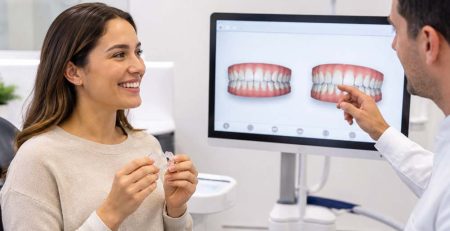
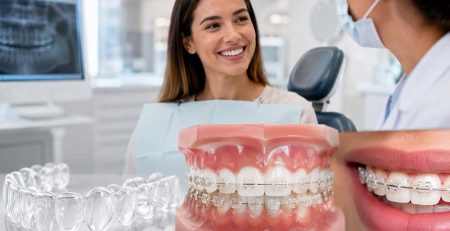
Clear aligners are removable, nearly invisible trays designed to gradually move teeth into proper alignment. They are custom-made to fit the patient’s dental structure and typically change every one to two weeks, depending on the treatment plan. On the other hand, traditional braces use brackets, wires, and elastics to adjust teeth over time. Braces have been the standard for decades, providing reliable results for a wide range of orthodontic issues.
Comparing Invisalign vs traditional braces is essential for patients considering treatment. Clear aligners offer the advantage of discretion, while braces often deliver faster results for complex cases. Both options remain highly effective when supervised by a licensed orthodontist.
Aesthetic Considerations
One of the main reasons adults consider clear aligners vs braces is appearance. Clear aligners are virtually invisible, making them appealing for professionals and those who prefer a subtle solution. Traditional metal braces are more noticeable, although ceramic braces offer a less conspicuous alternative.
For patients seeking the best teeth straightening option for adults, aesthetics often play a significant role. Many choose clear aligners for social or professional settings where visible braces may feel intrusive. The ability to remove aligners for special occasions or meals also adds to their appeal.
Comfort and Lifestyle
Comfort and convenience are another key difference between clear aligners and braces. Clear aligners generally cause less irritation to gums and cheeks than metal brackets, and they allow patients to eat without restrictions. Braces, however, require avoiding sticky or hard foods and may need occasional wire adjustments that cause temporary discomfort.
When considering Invisalign vs traditional braces, lifestyle factors often tip the scale. Clear aligners are easy to maintain, and their removability simplifies oral hygiene. Braces require extra care when brushing and flossing, which some adults may find challenging.
Treatment Duration and Effectiveness
Treatment times vary depending on the complexity of the case. Mild to moderate misalignment can often be corrected with clear aligners in 12 to 18 months. More severe issues, such as major bite problems or rotated teeth, may require braces, which can sometimes achieve results faster due to constant pressure applied by the brackets.
When comparing clear aligners vs braces, it’s important to note that both methods are effective, but the best choice depends on the individual’s dental needs. Orthodontists often evaluate X-rays and dental scans to recommend a treatment plan tailored for optimal results.
Cost Considerations
Another important factor is cost. Many patients compare clear aligners cost vs braces before making a decision. Aligners tend to be slightly more expensive due to their custom manufacturing and technology-driven planning. Traditional braces are often more affordable upfront, though overall costs may vary depending on treatment duration and additional adjustments. Insurance coverage may also influence the final decision for adults seeking the best teeth straightening option.
Maintenance and Follow-Up
Clear aligners require discipline in wearing them for 20-22 hours a day and regular follow-up appointments to track progress. Braces, although fixed, also need periodic orthodontic checkups and adjustments. Both methods rely on consistent monitoring to achieve the desired alignment and maintain long-term results.
FAQ’s
Q1. Are clear aligners as effective as metal braces?
A: Yes. Clear aligners are effective for mild to moderate alignment issues, while braces may be more suitable for complex cases. Orthodontist supervision ensures both options produce lasting results.
Q2. How long does teeth straightening take with clear aligners?
A: Treatment typically ranges from 12 to 18 months, depending on the severity of misalignment. Complex cases may take longer, and compliance with wearing schedules is critical.
Q3. Do clear aligners hurt?
A: Most patients experience mild discomfort or pressure when changing aligners, which is normal as teeth gradually shift. This is generally less irritating than braces, which may cause soreness from brackets and wires.
Q4. Can adults use clear aligners for teeth straightening?
A: Absolutely. Clear aligners are designed for adults and offer the best teeth straightening option for adults seeking discreet and convenient treatment without compromising results.








Leave a Reply