
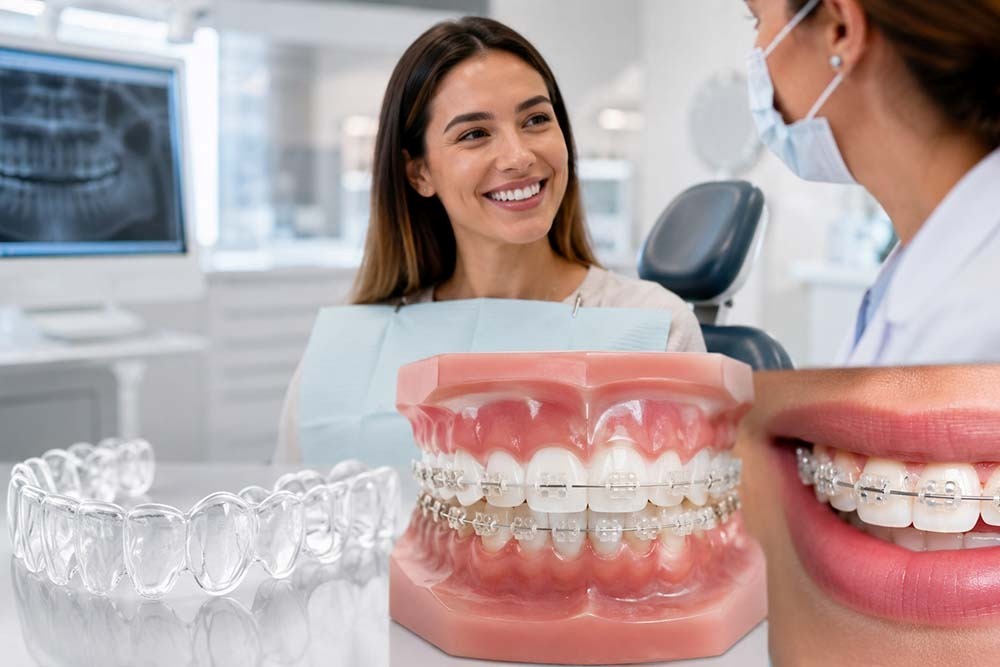
Transparent Braces vs Clear Aligners vs Ceramic Braces in 2026: The Definitive Guide for First-Time Patients
Choosing the right orthodontic treatment can feel overwhelming, especially if it is your first experience with braces. Modern orthodontics now offers several discreet options that straighten teeth effectively while maintaining a more natural appearance than traditional metal braces. Whether you are researching transparent braces vs clear aligners 2026, looking for a transparent braces comparison 2026, comparing ceramic braces vs aligners vs transparent 2026, or wondering what transparent braces are 2026, understanding the differences will help you choose the treatment that best fits your lifestyle and dental needs.
What Are Transparent Braces?
Many people asking what transparent braces 2026 are are referring to braces designed to be less visible than traditional metal braces. These systems typically use clear or tooth-colored brackets that blend with your natural teeth while functioning similarly to conventional braces.
Unlike removable aligners, transparent braces remain attached to the teeth throughout treatment and are adjusted periodically by an orthodontist. Understanding what transparent braces 2026 are is the first step toward deciding whether fixed orthodontic treatment is right for you.
A detailed, transparent braces comparison 2026 should evaluate appearance, comfort, maintenance, treatment time, and suitability for different orthodontic conditions.
Transparent Braces vs Clear Aligners
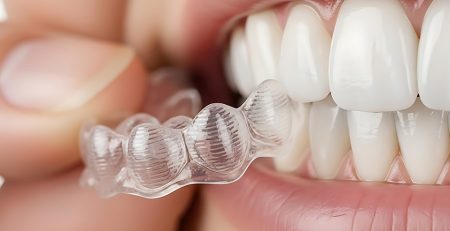
The biggest difference in transparent braces vs clear aligners 2026 is how each system moves your teeth. Transparent braces use brackets and wires that continuously apply pressure, while clear aligners consist of removable, custom-made trays that gradually reposition teeth through a series of aligners.
Clear aligners offer greater flexibility because they can be removed for eating and brushing. However, they require consistent daily wear to achieve the desired results. Transparent braces remain effective regardless of patient compliance because they stay attached throughout treatment.
When reviewing ceramic braces vs aligners vs transparent 2026, patients should consider treatment goals, lifestyle habits, and orthodontic recommendations before making a decision.
Ceramic Braces Compared with Transparent Braces
Ceramic braces also use tooth-colored or translucent brackets, making them significantly less noticeable than traditional metal braces. Depending on the system used, transparent braces and ceramic braces may share many visual similarities, although terminology can vary among dental providers.
A thorough, transparent braces comparison 2026 should include bracket material, stain resistance, durability, treatment efficiency, and maintenance requirements. Some ceramic materials may be slightly more prone to discoloration if oral hygiene recommendations are not followed carefully.
Comparing ceramic braces vs aligners vs transparent 2026 helps patients understand the advantages and limitations of each treatment option.
Comfort and Daily Maintenance
Comfort varies from person to person. Fixed braces may initially cause temporary pressure or irritation after adjustments, while clear aligners generally have smoother surfaces that reduce friction against the cheeks and lips. However, changing to a new aligner tray may also create temporary discomfort as teeth begin moving.
People researching transparent braces vs clear aligners 2026 should remember that good oral hygiene is essential regardless of the treatment selected. Brushing thoroughly, flossing regularly, and following your orthodontist’s instructions help maintain healthy teeth throughout treatment.
Understanding what are transparent braces 2026 also includes recognizing the importance of regular orthodontic appointments to monitor progress.
Which Option Is Right for You?
Every orthodontic case is unique. Mild alignment issues may be suitable for clear aligners, while more complex bite corrections may benefit from fixed braces. Your orthodontist will evaluate tooth positioning, jaw alignment, treatment goals, and overall oral health before recommending the most appropriate solution.
When comparing ceramic braces vs aligners vs transparent 2026, appearance should be the only consideration. Treatment effectiveness, compliance requirements, oral hygiene, and long-term results are equally important.
Reviewing a detailed, transparent braces comparison 2026 with your orthodontist allows you to understand the advantages of each option based on your individual needs.
Making an Informed Decision
Modern orthodontic technology provides several discreet alternatives to traditional metal braces, allowing patients to improve their smiles with greater confidence. Whether you choose fixed transparent braces, ceramic braces, or removable clear aligners, successful treatment depends on proper diagnosis, consistent care, and professional supervision.
By understanding transparent braces vs clear aligners 2026, learning what transparent braces are 2026, and comparing ceramic braces vs aligners vs transparent 2026, first-time patients can confidently select the treatment that best matches their smile goals, lifestyle, and long-term oral health needs.
FAQ’s
Q1. What is the difference between transparent braces and clear aligners?
A: Transparent braces use fixed brackets and wires attached to the teeth, while clear aligners are removable plastic trays that gradually move teeth through a series of custom-made aligners.
Q2. Do transparent braces stain or discolour over time?
A: The brackets themselves are generally designed to resist staining, but elastic ties used with some systems may discolor from foods and beverages if not replaced regularly or if oral hygiene is poor.
Q3. Are transparent braces less noticeable than ceramic braces?
A: The appearance depends on the specific orthodontic system. Many transparent and ceramic braces are both designed to blend with natural teeth and are significantly less noticeable than traditional metal braces.
Q4. Which is more comfortable — transparent braces or clear aligners?
A: Clear aligners are often considered more comfortable because they have smooth surfaces and no wires. However, comfort varies between individuals, and both treatment options may cause temporary pressure as teeth gradually move into their new positions.






Leave a Reply