

First Week with Clear Aligners: What to Expect, What Hurts and How to Get Through the Adjustment Period
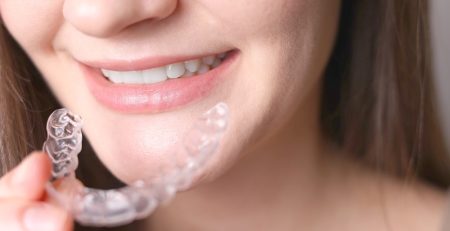
Starting clear aligner treatment takes adjustment. If you are researching first week clear aligners what to expect, common changes include tooth pressure, mild tenderness, temporary speech changes, and a new eating and cleaning routine. These sensations usually improve as your mouth adapts. The right clear aligner adjustment period tips can make early days easier.
What the First Few Days Feel Like
Clear aligners move teeth by applying controlled pressure. A new tray may feel tight because your teeth have not yet moved into its planned position. Mild discomfort during the first few days is common, and the American Association of Orthodontists says the mouth may need about a week to adjust.
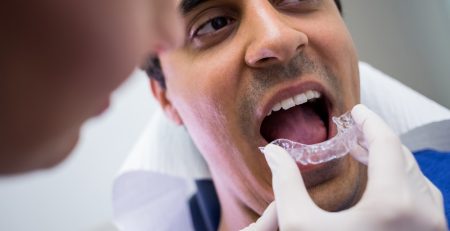
With painful first week aligners 2026, pressure or tenderness is more expected than severe pain. Discomfort may be strongest after inserting the first tray or changing sets. If pain becomes severe, worsens, the aligner does not fit properly, or you develop significant sores or swelling, contact your orthodontist.
How to Get Comfortable Faster
One of the best ways to get used to clear aligners quickly is to wear them exactly as prescribed. Frequently removing trays reduces treatment time and may make reinsertion feel tighter. Many plans require about 22 hours of daily wear, although your provider’s instructions come first.
Helpful clear aligner adjustment period tips include inserting new trays before bedtime when instructed and choosing softer foods during early tenderness. Avoid reshaping, trimming, or forcing an aligner without professional guidance. Consistency is usually the easiest way to get used to clear aligners quickly.
Eating During Your First Week
Remove clear aligners before eating and before drinking anything other than plain water. Unlike fixed braces, aligners usually do not require a permanent restricted-food list, although teeth may feel tender.
If you are experiencing painful first week aligners 2026, softer choices such as eggs, yogurt, pasta, soup, mashed potatoes, rice, soft vegetables, and fish can require less chewing. As sensitivity decreases, gradually return to your normal balanced diet.
After eating, clean your teeth before replacing the trays whenever possible. This is an important part of first week clear aligners what to expect because food and sugary liquids trapped under an aligner can remain against tooth surfaces.
Temporary Lisp and Speech Changes
A slight lisp can occur because aligner plastic changes the space available to the tongue when producing sounds, especially sounds such as “s” and “z.” Research shows that clear aligners can temporarily affect speech, but most patients adapt.
Reading aloud and keeping trays in as directed can help your tongue adapt. Speech often improves within days or a couple of weeks. Practicing instead of repeatedly removing trays can help you get used to clear aligners quickly.
Cleaning Your Teeth and Aligners
Good hygiene is among the most important clear aligner adjustment period tips. Brush thoroughly and clean between your teeth daily. The American Dental Association recommends brushing twice daily and cleaning between teeth once daily.
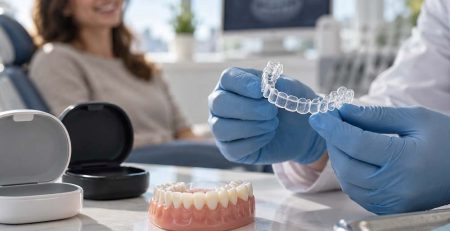
Follow your orthodontist’s instructions for cleaning the trays. Rinse aligners when removed and clean them as directed. Avoid very hot water, which may affect some plastics. Do not replace trays over teeth covered with food debris or sugary residue.
Building Your New Routine
The painful first week aligners 2026 experience is temporary. Carry your aligner case, plan meals around your wear schedule, keep a travel toothbrush, and follow your prescribed tray-changing schedule. Understanding first week clear aligners what to expect helps you distinguish normal adjustment from a problem needing attention.
FAQs
Q1: How much pain is normal in the first week of clear aligner treatment?
A: Mild pressure, tightness, and tooth tenderness are common. Severe, worsening, or persistent pain should not be ignored. Contact your orthodontist if pain is significant, an aligner will not seat correctly, or you notice swelling or serious irritation.
Q2: Why do clear aligners cause a lisp and how long does it last?
A: Aligners slightly change the space inside your mouth, which can affect tongue placement during speech. A temporary lisp may occur, especially with “s” sounds. Research suggests many patients recover normal speech within about 7 to 14 days, although some take longer.
Q3: What can I eat in the first few days of clear aligner treatment?
A: Remove your aligners before eating. If your teeth are tender, choose soft foods requiring less chewing, then gradually return to your normal diet as comfort improves. Drink plain water while aligners are in unless your orthodontist advises otherwise.
Q4: How do I clean my aligners properly in the first week?
A: Rinse trays after removal and clean them according to your orthodontist’s instructions. Brush before reinserting them, clean between your teeth daily, and avoid very hot water on the aligners. Consistent hygiene helps prevent odor, staining, plaque buildup, and trapped food.







Leave a Reply