
Do Aligners Work for Severe Teeth Misalignment?
Clear aligners have transformed orthodontics by offering a modern, discreet alternative to braces. They’re popular among adults and teens who want straighter teeth without the wires and brackets of traditional orthodontics. But when it comes to complex dental cases, many people wonder: do severe misalignment aligners really work?
This is an important question for anyone considering orthodontic care. While aligners like Invisalign have come a long way, they do have strengths and limitations. Let’s take a closer look at how aligners handle severe misalignment, when they’re effective, and when traditional braces may still be necessary.
Understanding Severe Teeth Misalignment
Misalignment occurs when teeth are not properly positioned within the jaw, leading to issues such as crowding, gaps, or bite problems. Severe cases may include:- Extreme crowding where teeth overlap significantly.
- Large gaps between teeth.
- Severe overbites, underbites, or crossbites.
- Teeth rotated more than 20 degrees.
How Clear Aligners Work
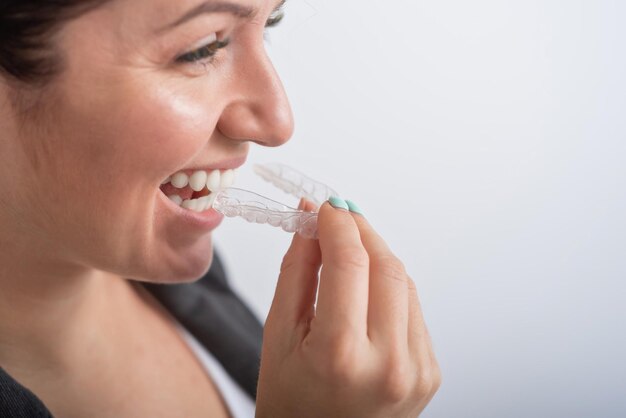
Clear aligners like Invisalign, SureSmile, or ClearCorrect use custom-made plastic trays that apply controlled pressure to gradually move teeth into better alignment. Each set of aligners is worn for about one to two weeks before switching to the next stage in the series. Patients typically wear aligners 20–22 hours per day, removing them only to eat, drink, brush, and floss. For mild to moderate alignment issues, aligners are highly effective. The real question is how far these systems can go in fixing severe cases.The Effectiveness of Aligners for Severe Misalignment
So, can aligners handle difficult cases? The answer is: sometimes. Severe misalignment aligners can be effective in many scenarios, especially when combined with attachments or additional tools. Invisalign, for example, offers small tooth-colored bumps (attachments) placed on teeth to give aligners more grip and control over complex movements. For some patients with severe crowding or bite problems, aligners may require extractions or other orthodontic procedures before treatment. In other cases, aligners alone can manage significant correction, though the treatment may take longer compared to mild cases. Orthodontists now use advanced 3D scanning and planning software to design aligner treatment paths, making aligners more effective than ever before—even for more complicated cases.Clear Aligner Limits
Despite technological advances, there are still clear aligner limits. Severe jaw misalignments, impacted teeth, or skeletal bite problems may require braces, oral surgery, or a combination of treatments. Aligners are less effective for:- Extreme overbites and underbites caused by jaw positioning.
- Severe tooth rotations (more than 20–30 degrees).
- Large vertical tooth movements.
Comparing Aligners and Braces for Severe Cases
When deciding between braces and aligners for complex dental issues, it’s essential to consider each option’s pros and cons.Aligners
- Pros: Discreet, removable, easier to clean, fewer dietary restrictions, comfortable.
- Cons: Require high discipline, not ideal for extreme misalignment, limited in complex jaw corrections.
Braces
- Pros: Effective for all levels of misalignment, constant force without patient compliance, better for bite correction.
- Cons: Visible, less comfortable, harder to clean, food restrictions.

Leave a Reply