
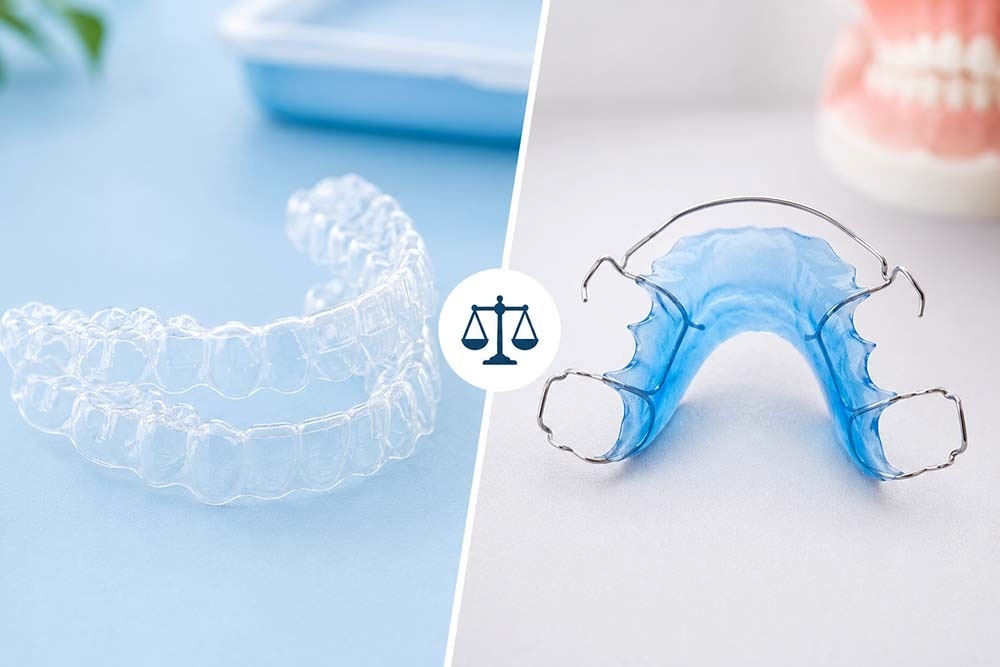
Clear Aligners vs Retainers: What Is the Difference and Which One Do You Need After Treatment?
Clear aligner treatment has transformed modern orthodontics by offering a discreet and convenient alternative to traditional braces. However, many patients become confused when they hear they must wear a retainer after completing treatment. Understanding the clear aligners vs retainers 2026 discussion is essential because both devices serve different purposes in creating and maintaining a healthy, aligned smile.
If you are nearing the end of orthodontic treatment or considering aligners, this post, Aligner Treatment Retainer Guide 2026, explains the differences between aligners and retainers, why retention matters, and what to expect after treatment.
What Are Clear Aligners?
Clear aligners are custom-made, removable orthodontic trays designed to gradually move teeth into their desired positions. They are typically worn for 20 to 22 hours per day and replaced with a new set every one to two weeks as treatment progresses.
When discussing the difference between the aligner and retainer 2026, it is important to remember that aligners are active treatment devices. Their primary function is to apply controlled pressure that shifts teeth over time. Each aligner is slightly different from the previous one, allowing gradual tooth movement throughout the treatment process.
Clear aligners are commonly used to correct crowding, spacing issues, overbites, underbites, crossbites, and other alignment concerns.
What Is a Retainer?
A retainer is an appliance designed to maintain tooth positions after orthodontic treatment has been completed. Unlike aligners, retainers are not intended to move teeth significantly. Instead, they help prevent teeth from shifting back toward their original positions.
In any clear aligners vs retainers 2026 comparison, the key distinction is that retainers preserve results while aligners create them.
Retainers may be removable or fixed depending on the patient’s needs and the orthodontist’s recommendations. They play a critical role in ensuring long-term treatment success.
Why Teeth Move After Treatment
Many patients are surprised to learn that teeth naturally have a tendency to shift throughout life. The bone, gums, and supporting tissues surrounding the teeth require time to stabilize after orthodontic treatment.
This is why the answer to do I need a retainer after clear aligners is almost always yes. Without retention, there is a significant risk that teeth will gradually move out of alignment, reducing the effectiveness of the treatment you invested time and money to complete.
A comprehensive post-aligner treatment retainer guide 2026 will always emphasize retention as a necessary phase rather than an optional step.
The Key Differences Between Aligners and Retainers
Understanding the difference between the aligner and retainer 2026 becomes easier when comparing their primary functions.
Clear aligners are designed to move teeth. Each tray is part of a planned treatment sequence that gradually changes tooth position.
Retainers are designed to hold teeth in place after treatment ends. They are manufactured to maintain the final alignment achieved through orthodontic treatment.
Another important distinction in the clear aligners vs retainers 2026 comparison is wear schedules. During active treatment, aligners are typically worn nearly full-time. Retainer wear schedules vary depending on individual circumstances and orthodontic recommendations.
Can Aligner Trays Be Used as Retainers?
One of the most common questions in any post-aligner treatment retainer guide 2026 is whether the final aligner tray can serve as a permanent retainer.
In some cases, orthodontists may recommend temporarily wearing the final aligner tray until a custom retainer is provided. However, aligner trays are generally not intended to function as long-term retainers. They may wear out more quickly and may not provide the same durability as professionally designed retention appliances.
For long-term stability, patients are typically advised to use retainers specifically created for retention purposes.
How Long Must Retainers Be Worn?
Patients frequently ask, do I need a retainer after clear aligners, even after treatment is complete. The answer remains yes because retention is a lifelong consideration.
Many orthodontists recommend wearing retainers full-time initially before transitioning to nighttime wear. The exact schedule depends on individual treatment factors, age, and the risk of relapse.
The most important principle highlighted in every difference aligner and retainer 2026 discussion is consistency. Wearing retainers as directed helps preserve treatment results for years to come.
Protecting Your Investment
Orthodontic treatment requires a commitment of time, effort, and financial resources. Retainers help protect that investment by maintaining the alignment achieved during treatment.
Understanding the clear aligners vs retainers 2026 distinction allows patients to approach retention with realistic expectations. While aligners move teeth into their ideal positions, retainers ensure those results remain stable long after active treatment ends.
FAQ’s
Q1. What is the difference between a clear aligner and a retainer?
A: Clear aligners actively move teeth during orthodontic treatment, while retainers are designed to maintain tooth positions after treatment is complete.
Q2. Do I still need a retainer after finishing clear aligner treatment?
A: Yes. Most patients require retainers to prevent teeth from shifting after treatment and to maintain their new alignment.
Q3. How long do I need to wear a retainer after clear aligners?
A: Retention requirements vary, but many orthodontists recommend long-term or lifelong retainer use, often transitioning to nighttime wear after an initial full-time period.
Q4. Can my aligner trays be used as retainers?
A: Final aligner trays may be used temporarily in some situations, but dedicated retainers are generally recommended for long-term maintenance because they are specifically designed for retention and durability.

Leave a Reply